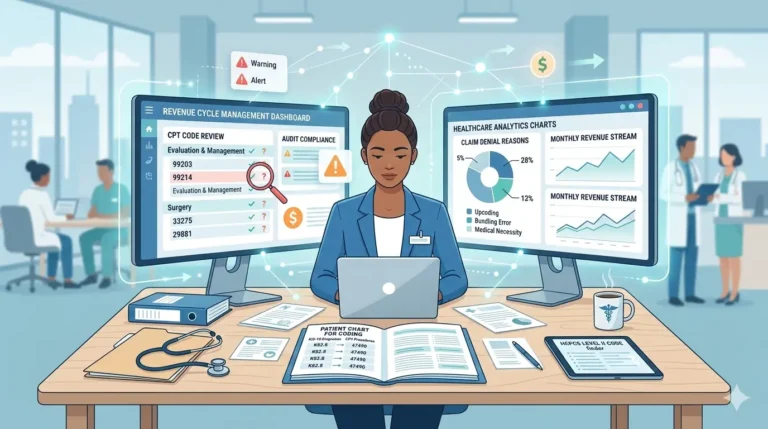

Healthcare organizations operate in a complex financial and regulatory system where accurate billing is essential. Every patient visit creates clinical documentation that must be converted into standardized medical codes before a claim can be sent to an insurance provider. This process is called medical coding, and it ensures that healthcare providers receive proper reimbursement for the services they deliver. However, maintaining accuracy requires expert oversight and structured workflows through professional Medical Billing and Coding services.
However, when coding errors occur, they can lead to serious financial consequences. Incorrect medical codes often result in claim denials, delayed payments, compliance risks, and additional administrative work. Over time, these issues increase operational costs and disrupt the healthcare revenue cycle.
In simple terms, coding errors increase operational costs because they cause rejected claims, require time-consuming corrections, and delay reimbursements from insurers. Even small mistakes in diagnosis codes, procedure codes, or modifiers can create expensive problems for healthcare organizations. That is why accurate medical coding is not just a technical task, it is a critical part of maintaining financial stability and efficient healthcare operations.
What Are Coding Errors in Healthcare?
Medical coding involves converting healthcare services, diagnoses, and procedures into standardized codes that are used for billing and insurance claims. Coders rely on classification systems such as:
- ICD (International Classification of Diseases) for diagnoses
- CPT (Current Procedural Terminology) for medical procedures
- HCPCS (Healthcare Common Procedure Coding System) for services and supplies
These codes serve as the language of healthcare reimbursement. Insurance companies use them to determine whether a claim is valid and how much reimbursement a provider should receive.
Coding errors occur when incorrect, incomplete, or outdated codes are used during this process. These mistakes may happen due to unclear documentation, lack of training, complex coding rules, or simple human error.
Some common examples of coding errors include:
- Using an incorrect diagnosis code
- Selecting the wrong procedure code
- Failing to code with sufficient specificity
- Misusing modifiers
- Billing services incorrectly due to bundling rules
- Submitting claims without proper documentation of medical necessity
Even small coding inaccuracies can cause insurers to reject or delay claims, which ultimately increases operational costs for healthcare providers.
How Coding Errors Increase Operational Costs in Healthcare
Coding errors affect healthcare organizations in multiple ways, often creating a chain reaction throughout the billing and reimbursement process. The financial impact can be significant, particularly for organizations that process thousands of claims every month.
Below are some of the key ways coding errors increase operational costs.
| Type of Coding Error | Operational Impact | Financial Consequence |
|---|---|---|
| Incorrect ICD Diagnosis Codes | Claim rejection or medical necessity denial | Delayed reimbursements |
| Wrong CPT Procedure Codes | Incorrect billing for services | Underpayment or revenue loss |
| Modifier Misuse | Claims flagged by payers | Increased denial rates |
| Bundling / Unbundling Errors | Non-compliance with payer rules | Audit risk and penalties |
| Missing Documentation | Claims returned for correction | Higher administrative workload |
1. Claim Denials and Rejections
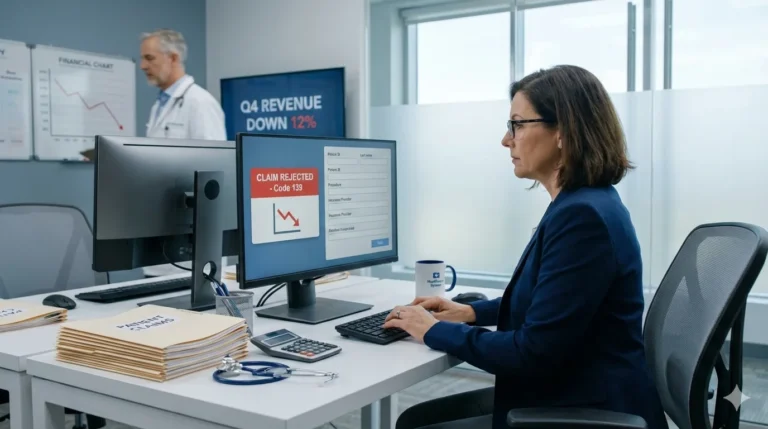
One of the most common consequences of coding errors is claim denial. Insurance companies reject claims when codes do not match the documentation, violate payer guidelines, or fail to demonstrate medical necessity.
When claims are denied due to coding mistakes, healthcare organizations must correct the errors and resubmit them. Effective Accounts Receivable (AR) and Denial Management services help providers identify denial patterns, recover lost revenue, and prevent recurring billing issues.
If the claim is not corrected in time, the organization may lose reimbursement entirely. As a result, coding errors directly contribute to revenue loss and increased operational expenses.
Industry studies suggest that 5–10% of healthcare claims are denied, and a large portion of these denials are related to coding mistakes.
2. Increased Administrative Workload
Every denied claim creates additional work for billing and administrative teams. Staff members must review patient records, analyze the reason for denial, correct the coding error, and resubmit the claim.
This process is often referred to as claim rework.
Claim rework consumes valuable time that could otherwise be used for processing new claims or improving patient services. As coding errors increase, administrative teams become overwhelmed with corrective tasks.
Healthcare organizations may need to hire additional billing staff or allocate more resources to manage these issues, which ultimately increases operational costs.
3. Delayed Reimbursements and Cash Flow Issues
Timely reimbursement is essential for maintaining the financial health of healthcare organizations. When coding errors occur, claims may be delayed or rejected, which slows down the payment process.
Delayed payments disrupt cash flow and can create financial challenges, particularly for small clinics or independent practices that depend on consistent revenue streams.
When payments are delayed for weeks or months due to coding mistakes, healthcare providers may struggle to cover operational expenses such as salaries, equipment costs, and facility maintenance.
Improving coding accuracy helps ensure faster claim approval and stable financial performance.
4. Compliance Risks and Regulatory Penalties
Coding errors can also lead to serious compliance risks. Regulatory agencies closely monitor healthcare billing practices to prevent fraud, abuse, and improper payments.
If organizations consistently submit inaccurate claims, they may face audits, investigations, or financial penalties.
Two common compliance issues related to coding include:
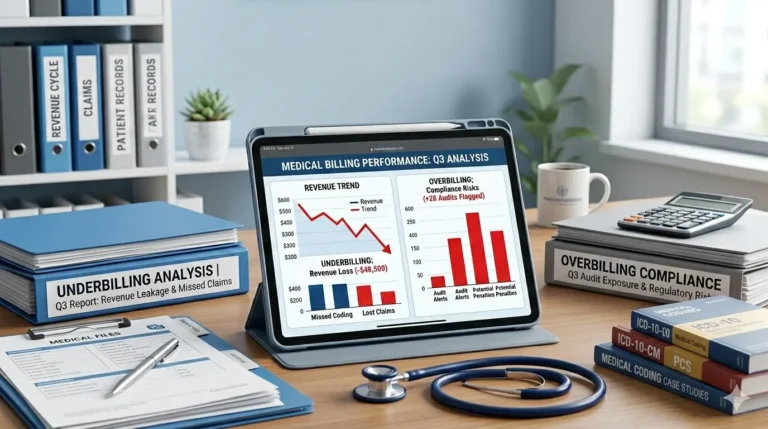
Overcoding: Billing for services at a higher level than what was actually provided.
Undercoding: Billing for services at a lower level than the care delivered.
Overcoding can trigger legal and compliance concerns, while undercoding results in lost revenue.
Both situations highlight the importance of maintaining accurate coding practices within healthcare organizations.
5. Loss of Revenue Opportunities
Coding errors do not only cause claim denials, they can also reduce reimbursement amounts. When procedures are coded incorrectly or documentation is incomplete, insurers may reimburse less than what the provider should receive.
For example, if a complex patient visit is coded as a routine consultation, the healthcare provider will receive a lower payment than deserved.
Over time, these small discrepancies accumulate and lead to significant revenue loss.
Healthcare organizations that fail to optimize coding accuracy may miss out on thousands or even millions of dollars in potential revenue.
Most Common Medical Coding Errors
Understanding the most common medical coding errors can help healthcare organizations identify weaknesses in their billing processes and take steps to improve accuracy.
ICD Coding Errors
ICD codes are used to represent patient diagnoses and medical conditions. One of the most frequent mistakes involves failing to code with the highest level of specificity.
For example, a coder may choose a general diagnosis code even though the clinical documentation provides more detailed information.
Insurers often reject claims when diagnosis codes lack specificity because they cannot confirm the medical necessity of the treatment provided.
Ensuring accurate and detailed documentation is essential for proper ICD coding.
CPT Coding Mistakes
CPT codes describe the procedures and services performed by healthcare providers. These codes must accurately reflect the treatment delivered during a patient encounter.
Common CPT coding errors include:
- Selecting the wrong procedure code
- Misinterpreting clinical documentation
- Incorrectly reporting time-based services
- Failing to include additional billable services
These mistakes can result in underpayments, compliance risks, or claim rejections.
Accurate CPT coding requires thorough documentation review and a clear understanding of coding guidelines.
Modifier Misuse
Modifiers are additional codes that provide extra information about a procedure or service. They help clarify special circumstances, such as multiple procedures performed during the same visit.
Incorrect use of modifiers is a frequent cause of claim denials.
Common modifier errors include:
- Missing modifiers when required
- Using incorrect modifiers
- Applying modifiers without proper documentation
Proper modifier usage ensures that insurers understand the context of the medical service and process the claim correctly.
Bundling and Unbundling Errors
Bundling rules determine when multiple services should be billed together as a single procedure.
Unbundling occurs when coders bill separately for services that should be combined under one code. This practice can lead to compliance issues and potential audits.
Over-bundling, on the other hand, occurs when separate services are incorrectly grouped together, resulting in reduced reimbursement.
Understanding payer guidelines and coding rules is essential to avoid bundling errors.
Lack of Medical Necessity Documentation
Even if codes are technically correct, claims may still be denied if documentation does not demonstrate medical necessity.
Insurance providers require clear evidence that the service provided was appropriate and necessary for the patient’s condition.
If clinical documentation is incomplete or unclear, insurers may reject the claim.
Strong collaboration between physicians, coders, and billing teams is essential to ensure documentation supports the assigned codes.
Financial Impact of Coding Errors
Coding errors can have a substantial financial impact on healthcare organizations.
Common financial consequences include:
- Increased claim denial rates
- Higher administrative costs for claim rework
- Delayed reimbursements
- Compliance penalties
- Lost revenue opportunities
In many cases, the cost of correcting denied claims can exceed the cost of processing the claim correctly in the first place.
Improving coding accuracy not only reduces operational costs but also strengthens the entire healthcare Revenue Cycle Management (RCM) process, ensuring faster reimbursements and better financial stability for healthcare providers.
Strategies to Reduce Coding Errors
Healthcare organizations can implement several strategies to reduce coding errors and improve operational efficiency.
Invest in Continuous Training
Medical coding standards change frequently as new regulations and procedures are introduced.
Regular training programs help coders stay updated on ICD, CPT, and payer guidelines. Ongoing education improves accuracy and reduces the likelihood of coding mistakes.
Conduct Regular Coding Audits
Internal coding audits allow organizations to identify errors before claims are submitted.
Audits help detect patterns of mistakes and provide valuable feedback for coding teams. By addressing issues early, healthcare organizations can reduce claim denials and improve compliance.
Improve Clinical Documentation
Accurate coding depends on clear and detailed documentation from healthcare providers.
Physicians should include important details such as:
- Patient diagnosis
- Severity of the condition
- Treatment procedures
- Time spent with the patient
- Medical necessity for the service
Better documentation ensures coders have the information needed to assign correct codes.
Use Technology and Coding Tools
Many healthcare organizations now use automated billing systems and coding software to reduce errors.
Advanced tools can:
- Detect coding inconsistencies
- Verify code compatibility
- Identify missing documentation
- Flag potential compliance risks
Technology helps prevent errors before claims are submitted to insurers.
Encourage Team Collaboration
Effective communication between physicians, coders, and billing specialists is essential for accurate coding.
When documentation is unclear, coders should have a formal process for requesting clarification from providers.
Collaborative workflows help ensure coding decisions are supported by clinical documentation.
Best Practices for Accurate Medical Coding
Healthcare organizations can improve coding accuracy by following several best practices:
- Provide continuous training for coding staff
- Keep coding manuals and guidelines updated
- Implement automated claim validation tools
- Perform regular internal coding audits
- Monitor denial trends and address root causes
- Strengthen collaboration between clinical and billing teams
These practices help reduce coding errors, improve claim approval rates, and optimize the revenue cycle.
Conclusion
Coding accuracy is a critical component of healthcare operations. Even small coding mistakes can trigger claim denials, delayed reimbursements, compliance risks, and increased administrative workload.
Understanding how coding errors increase operational costs allows healthcare organizations to identify inefficiencies within their billing processes and implement effective solutions.
By investing in coder training, improving documentation practices, conducting regular audits, and adopting modern technology, healthcare providers can significantly reduce coding errors and improve financial performance.
Accurate medical coding not only ensures proper reimbursement but also supports compliance, operational efficiency, and the overall sustainability of healthcare organizations.
FAQs
Why do coding errors occur in healthcare?
Coding errors often occur due to incomplete documentation, outdated coding guidelines, lack of training, or misinterpretation of clinical records.
How do coding errors affect revenue cycle management?
Coding errors disrupt revenue cycle management by causing claim denials, delayed reimbursements, and additional administrative workload.
What are the most common medical coding errors?
Common errors include incorrect ICD codes, CPT coding mistakes, modifier misuse, bundling errors, and insufficient documentation of medical necessity.
How can healthcare organizations reduce coding errors?
Healthcare organizations can reduce coding errors through coder training, regular audits, improved documentation, and the use of automated coding tools.
Reduce Coding Errors & Protect Your Practice Revenue
Coding mistakes can lead to claim denials, delayed reimbursements, and increased operational costs. Let Ebillient review your billing workflow and identify hidden coding errors that may be affecting your revenue cycle performance.